


Sustainability at CU
ENLIGHT Sustainability Working Group at Comenius University Bratislava
The working group's task is to build an information network for sustainable development at Comenius University Bratislava. The group collects and disseminates information across CU about activities that contribute to fulfilling the 17 sustainable development goals defined by the United Nations (UN), and supports the activities and open calls of the ENLIGHT alliance related to the sustainability agenda.
The group's goal is to inform, connect and support students and staff so that they actively implement sustainability in education and research, both offline and online. The vision is to establish sustainability as an integral part of CU with the aim to build a more resilient university and become a full-fledged partner in the broader transformation towards a sustainable society.
Contact us via email at udrzatelnostuniba.sk
Travelling exhibition: Sustainability at CU — Examples of good practice at the faculties
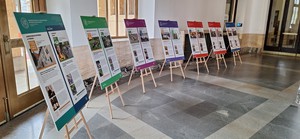
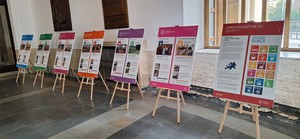
One of the first visible outputs of the ENLIGHT Sustainability Working Group at CU is a 14-panel travelling exhibition. It presents student and faculty activities that contribute to fulfilling the sustainable development goals.
The exhibition was officially launched at a networking event at the Comenius University Information Centre in November 2024. The travelling exhibition has already been visited by students, staff, and visitors at the Rectorate on Šafárikovo Square, the Faculty of Social and Economic Sciences and the Faculty of Pharmacy.
By clicking on the banners below, you can read more about each activity.
Let's Clean Up Slovakia — Comenius University Bratislava cleans up
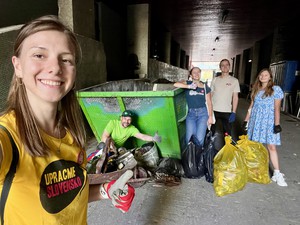
The ENLIGHT Sustainability Working Group at CU organised a clean-up event near the Faculty of Natural Sciences and the Faculty of Mathematics, Physics and Informatics as part of the Let's Clean Up Slovakia initiative. During the clean-up, the team discovered various types of common and unusual waste in the faculties' surroundings.
Within two hours, five team members managed to fill and carry away four bags of municipal waste, two bags of plastic, and a full wheelbarrow of glass and old metal. Among the unusual finds were for example medications, a car battery hidden in the bushes, Czechoslovak coins and old (but still functional) tools. Thanks to the cooperation with the Faculty of Natural Sciences, the waste was properly sorted into the correct containers. The clean-up of heavy and bulky waste was arranged with the help of the organisers of the Let's Clean Up Slovakia initiative, who provided gloves and bags.
The Let's Clean Up Slovakia initiative is an ideal way to combine an enjoyable walk with a useful activity that both students and university staff can take part in. Under the motto "it's not my rubbish, but it is my planet", we can contribute to improving the environment, strengthen interpersonal relationships, and support one another in caring for our planet.
WHY DOES THIS MATTER?
Climate change is a serious threat. The climate protection goal aims to stabilise global temperatures so that communities and ecosystems around the world are not negatively impacted by rapidly changing weather and climate.
Student wine at the Roman Catholic Cyril and Methodius Faculty of Theology
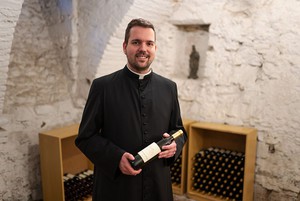
They dusted off unused cellars to make wine and won an award.
In 2024, students of the Roman Catholic Cyril and Methodius Faculty of Theology at Comenius University Bratislava produced their own wine in the seminary cellar for the first time. They used the underground cellars of the priest seminary, which once served as a vegetable storage.
The Ss. Cyril and Methodius Seminary is housed in a historic 16th-century building on Kapitulská Street, which has large vaulted cellars underground. One of them was once used to store potatoes and vegetables and in recent years had served only as a storage room. The seminary prefect Peter Pajerský was inspired by the wine-growing culture in the Rača district and saw its potential. Third-year student Krištof Martinák who had previously earned an academic degree in viticulture and winemaking, took up the challenge. He acquired the basic necessary equipment for the cleared-out cellar and set about production together with other students, largely by hand.
The result is 400 litres of white wine and around 60 litres of red wine. The white one is a single-varietal Grüner Veltliner, which is the most typical grape variety of the Malé Karpaty (Small Carpathians) wine region. The red one is a cuvée of Dornfelder and Nitria. The effort in the cellar proved to be worth it and the seminary's Veltliner entered a local competition, where it received a respectable 86.6 points out of 100 from the expert jury, earning a silver medal.
WHY DOES THIS MATTER?
Sustainable production and consumption contribute to resource protection and waste minimisation. Responsible management of natural resources and recycling are essential for sustainable development and the protection of our planet.
Student Association PriF UK Sustainability
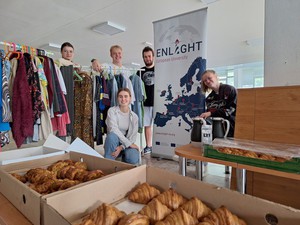
The student association PriF UK Sustainability is based at the Faculty of Natural Sciences. It has organised multiple SWAP events, a Nature Scientists' Breakfast in the botanical and the community garden, and a charitable Christmas fundraiser for people in need.
The student association was founded several years ago by students passionate about helping the climate and the environment. The association's main activities include events that raise awareness about sustainability and bring together engaged students at the Faculty of Natural Sciences. The association has already organised multiple SWAP events, a Nature Scientists' Breakfast in the botanical garden, a Nature Scientists' Picnic in the community garden, and other events focused on environmental and climate protection: for example, the hike "Objavujme spolu! (Let's Explore Together!)", during which participants visited the exceptional Sandberg site and enjoyed views from the national nature reserve Devínska Kobyla.
INSPIRATION FOR SUSTAINABILITY AND ACTIVE COMMUNITY SUPPORT
The association promotes ideas of sustainability and inspires people on how we can reduce our carbon footprint through our behaviour, for example by switching to a vegetarian or vegan diet and opting for more sustainable fashion. The association has also organised events in support of homeless people.
"PriF UK Sustainability was established partly thanks to our university's membership in the ENLIGHT alliance. The goal was, and remains, to create a group of students who will actively make our faculty more sustainable and community-minded. That's what all these events are for!" — Terézia Zelmanová, student association PriF UK Sustainability
WHY DOES THIS MATTER?
Climate change is a serious threat. The climate protection goal aims to stabilise global temperatures so that communities and ecosystems around the world are not negatively impacted by rapidly changing weather and climate.
Community garden at the Faculty of Natural Sciences
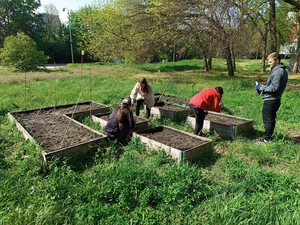
The Faculty of Natural Sciences boasts a community garden without the use of commercial fertilisers or pesticides.
The community garden at the Faculty of Natural Sciences was established in autumn 2018. Since then, several features have been added to the garden: various types of raised beds, a herb spiral, a gazebo, benches, and an insect hotel.
The community garden was conceived as a space that should connect students from different disciplines and teach them permaculture growing methods, which make use of the mutual relationships between plants and phenomena observed in nature. In the garden, students learn about companion planting and growing without commercial fertilisers and pesticides. Students have been involved in creating various types of planting beds and have learned how to enrich the soil with carbon using the Hügelkultur method, where fallen wood from the surrounding area is used to build up raised beds.
The community garden is part of the course Zelená univerzita (Green University), through which students engage in person with more natural growing methods during their studies. Features in the community garden include raised beds and a herb spiral. The garden uses its own compost for fertilisation. Students also learn how to select appropriate plants for cultivation given the time available and the conditions in the garden. During the autumn semester, mushroom beds were created.
Find out more on this website or Facebook.
WHY DOES THIS MATTER?
Sustainable cities provide quality housing, public transport, and green spaces for all. Safe, inclusive, and resilient cities are key to improving people's lives and protecting the environment.
Debate Society of the Faculty of Law
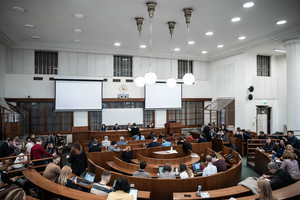
The Debate Society of the Faculty of Law of Comenius University Bratislava is a unique space offering students the opportunity to develop their argumentation skills and legal thinking.
The activity is organised by Šimon Gabčo, Chair of the Student Chamber of the Academic Senate of the Faculty of Law, together with former doctoral students and current lecturers. The society is open to everyone interested in law and discussions in the field of legislation and constitutional law.
The primary aim of the society is to simulate parliamentary proceedings, where participants engage with current issues, divided into teams by draw. Teams must then defend their assigned position regardless of their personal convictions. This form of debate allows students to develop the ability to argue and find relevant facts and evidence to support their positions, a skill that is crucial for future lawyers. This method also teaches them that in legal practice, what matters is not always believing in what you defend, but being able to argue various positions with equal conviction.
EXPERT DEBATES AS A PATH TO PROFESSIONAL DEVELOPMENT
"This format of debate is completely standard at universities abroad. We wanted to bring it to our faculty and give students the opportunity to learn to defend their point of view with well-grounded arguments. That is a valuable skill. Moreover, students can come to see exhibition debates, which often address constitutional law topics of broader public interest. The Debate Society has been a great success from the start, so we will definitely continue this academic year." — Šimon Gabčo, Chair of the Student Section of the Academic Senate, Faculty of Law
The Debate Society also organises special exhibition debates to which they invite practitioners, primarily professors specialising in constitutional law, who enrich discussions with their knowledge and experience. These exhibition debates serve not only as an opportunity to broaden students' knowledge, but also create a space for personal and professional growth.
Instagram: @debatyprafuk
WHY DOES THIS MATTER?
Peace and strong institutions promote justice and equality. Eliminating corruption, strengthening the rule of law, and protecting human rights contribute to a safer and more just society.
Faculty of Law plants a forest
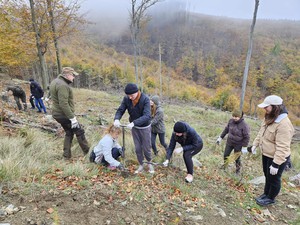
How to strengthen community and help the environment? Plant 1,200 trees together and cook a goulash!
The Department of Administrative and Environmental Law at the Faculty of Law, Comenius University Bratislava, joined the project Milión stromov pre Slovensko (One Million Trees for Slovakia). It invited students and staff from the faculty, as well as the student association ELSA Bratislava and the Alumni Club of the Faculty of Law, to help.
Great ideas always come from skilled people, and this was no exception when the Department of Administrative and Environmental Law at Faculty of Law joined the "One Million Trees for Slovakia" project. They invited students and staff, along with the student association ELSA Bratislava and the Alumni Club of the Faculty of Law. And so, on Thursday, November 9, 2023, staff and students took part in an event called "Faculty of Law plants a forest!".
"We are very glad that together with our students, staff and friends of the faculty, we were able to contribute to environmental protection through the "One Million Trees for Slovakia" project. Together, we planted 1,200 saplings, not only improving the quality of our environment but also strengthening the community spirit of our faculty." — JUDr. Matúš Michalovič, PhD.
FACULTY OF LAW BRINGS THE COMMUNITY TOGETHER IN NATURE CONSERVATION
In the challenging forest terrain of the Malé Karpaty (Small Carpathians) near the village of Kuchyňa, 1,200 young saplings were planted in a single day. Not even the cold weather, in contrast to the preceding warm days, deterred volunteers who gave their time and energy to improving the environment in our country. Of course, warm tea was on hand, and hunger was taken care of by carefully prepared goulash, cooked on site by seasoned experts.
The organisers plan to repeat the event this year. All students, staff, and graduates of the Faculty of Law will have the opportunity to participate in this significant activity, which not only contributes to environmental improvement but also builds stronger relationships within the faculty community. Tree planting will take place in a similar fashion to last year — in a pleasant atmosphere, where the entire faculty community gathers with the goal of helping to restore Slovak forests.
WHY DOES THIS MATTER?
Climate change is a serious threat. The climate protection goal aims to stabilise global temperatures so that communities and ecosystems around the world are not negatively impacted by rapidly changing weather and climate.
Health Day at the Faculty of Education
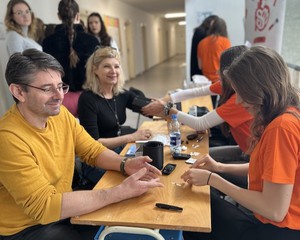
Health Day at the Faculty of Education of Commenius University is dedicated to raising health awareness among both students and academic staff. Participants received information about their blood pressure, blood sugar levels, and other physical indicators. Everyone also received practical advice on how to improve their health and prevent potential problems.
The Faculty Health Day is a unique opportunity for students and staff to gain an overview of their health status. Each participant can have their basic health indicators checked, such as blood pressure, blood sugar levels, and muscle-to-fat ratio, and receive valuable advice on a healthy lifestyle. This event, organised in cooperation with the Student Chamber of the Academic Senate of Faculty of Education and the Bratislava Medical Students' Society, promotes awareness of the importance of preventive health care and encourages active attention to our wellbeing.
HEALTH CARE AS A SHARED CHALLENGE
In addition to Health Day, the faculty also organises other events focused on health and help. One of these is Kvapka krvi (Drop of Blood), which gives students and staff the opportunity to participate in blood donation directly on the faculty premises. This important act not only helps those in need, but also strengthens a sense of belonging and responsibility towards the community.
Through these activities, the faculty supports the promotion of health awareness and care not only through expert knowledge, but also through practical opportunities to improve physical fitness and prevent illness.
WHY DOES THIS MATTER?
The goal is to ensure accessible healthcare, disease prevention, and a safe environment for everyone. Reducing mortality and promoting a healthy lifestyle are key to a healthy and productive society.
Clothing SWAP at the Faculty of Education
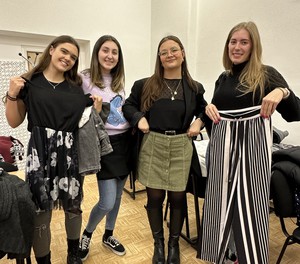
The Student Chamber of the Academic Senate of the Faculty of Education of Comenius University Bratislava organises several awareness-raising events, including SWAPs , in other words, exchange markets. The faculty has hosted a clothing SWAP, as well as a book SWAP and a board game SWAP. Some of the SWAPs were organised in collaboration with the company Ekocharita.
A SWAP is an event through which the faculty promotes a more ecological approach to fashion and supports the development of a student and academic community. A SWAP has many benefits — it helps reduce textile waste, conserve resources, support sustainable fashion, and raise awareness of ecological issues. It is also a great opportunity to give clothes a second life, meet new people, and actively engage in the life of our community.
"At the Faculty of Education, as the Student Chamber of the Academic Senate of the Faculty of Education, we have organised a total of three SWAPs: two focused on clothing exchange and one on books. Our goal was both to contribute to climate protection and to support student life at the faculty. We will continue this initiative and hope it becomes a tradition at our faculty." — Michaela Mladá, member of the Student Section of the Academic Senate, Faculty of Education
WHY DOES THIS MATTER?
Sustainable production and consumption contribute to resource protection and waste minimisation. Responsible management of natural resources and recycling are essential for sustainable development and the protection of our planet.
Freshers' Day: Thriving in medicine without burning out
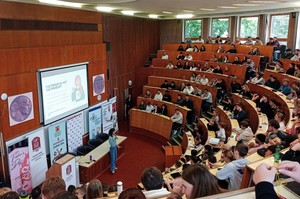
Freshers' Day is a welcome event for newly admitted students of medicine in both the Slovak and English study programmes, regularly organised by the Bratislava Medical Students' Society. In collaboration with the Faculty of Medicine, they organised an interactive workshop focused on building psychological resilience among students.
The workshop was led by specialists in cognitive-behavioural psychotherapy. Students learned what stress is, why it is also important, and how to manage it effectively.
The lecturers explained the nature of procrastination and how to successfully manage study tasks without unnecessary postponement. Students were also given advice on how to enjoy student life without compromising their mental health, and on ways to sustainably build the psychological resilience needed not only for study, but most importanly for working with patients. "Successful people know how to balance performance with resting, and in doing so they increase their capacity," explains psychologist Michal Bača, adding that regeneration before the next challenge is important.
The activity The Tree of Kindness helps students develop a sense of kindness towards themselves and others. "Write a positive message or a piece of advice that helped you for others. On the wishing tree, you can read messages from your classmates and also find information about how and where to seek professional psychological help," advises psychologist and coach Katarína Milová.
Faculty of Medicine strives to contribute to improving the quality of health and life in society through mental health care and access to professional services.
WHY DOES THIS MATTER?
The goal is to ensure accessible healthcare, disease prevention, and a safe environment for everyone. Reducing mortality and promoting a healthy lifestyle are key to a healthy and productive society.
Quality education at the Bratislava Medical Students' Society
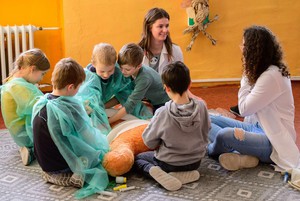
The Bratislava Medical Students' Society at the Faculty of Medicine organises a wide range of social and educational events. It connects and strengthens the student community and, through its clubs, opens up important topics together with international organisations and networks. The Society has been active since 1920 and is an important and indispensable student hub.
The Bratislava Medical Students' Society offers medical students a wide range of educational activities that go beyond conventional lectures. Through these initiatives, students can delve more deeply into medical topics, develop practical skills, and prepare for a future career as a physician. Educational activities are made interactive and engaging to be as accessible as possible for students, delivered in smaller groups, through discussion and practical demonstrations.
EDUCATIONAL ACTIVITIES OF BRATISLAVA MEDICAL STUDENTS' SOCIETY
SPECIALISED COURSES:
Surgical suturing: Develop your manual skills through surgical suturing courses at various levels.
ECG courses: Build a solid foundation in interpreting electrocardiographic recordings and understanding different cardiac arrhythmias.
Ultrasonography and laparoscopy: Discover the fascinating world of minimally invasive procedures through hands-on courses.
First aid courses: Learn to provide first aid in various emergency situations and become a lifesaver for those around you.
INTERACTIVE WORKSHOPS:
Evening with a specialisation: Meet specialists from various medical fields and gain valuable advice about individual specialisations.
Clinical skills event: Compete with other medical students in solving clinical cases and sharpen your diagnostic abilities.
SCIENCE AND RESEARCH:
Research internships: Get involved in current medical research and contribute to the advancement of science.
Conference participation: Stay up to date with the latest scientific findings and network with experts from around the world.
EDUCATION FOR THE PUBLIC:
Teddy bear hospital: Teach children about health in a fun way and help them develop a positive relationship with medicine.
Public awareness lectures: Inform the public about important health topics and contribute to disease prevention.
INTERNATIONAL COOPERATION FOR BETTER CONDITIONS FOR MEDICAL STUDENTS AND PATIENTS
An inseparable part of the society are its clubs. One of the four clubs operating within the society is the Club for Human Rights and Peace. Together with 117 other countries, it forms the SCORP network, united by a vision of a world in which every person has an equal and full entitlement to the protection of their human rights. In the field of education, the club addresses human rights issues in the context of medical ethics, challenges xenophobic views, promotes gender equality in medicine and much more.
The Bratislava Medical Students' Society is more than just a student organisation. It is a vibrant community of students united by a passion for medicine and a desire to keep improving. If you are looking for an opportunity to develop your knowledge, skills and personality, join us!
WHY DOES THIS MATTER?
Global cooperation is essential for achieving the Sustainable Development Goals. Joining forces between countries, organisations and societies supports sustainable development and the resolution of global challenges.
Simulation Centre trains medical students and the public to save lives
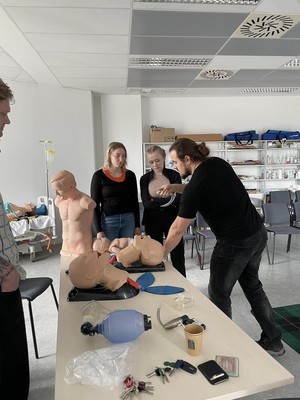
The Centre for Support of Medical Education at the Jessenius Faculty of Medicine in Martin, Comenius University Bratislava, saves patients' lives through simulation technologies in education. It trains not only future medical students, but also the general public.
The Centre for Support of Medical Education developed organically, respecting the needs of innovative, modern and safe education, built on the foundations of the Simulation Centre which has been operating at the Jessenius Faculty of Medicine in Martin, since 2012 as the first simulation centre at a medical faculty in Slovakia.
The Centre is guided by the vision that training in procedural and soft clinical skills for doctors and other healthcare workers should take place in a safe environment, respecting individual abilities and the principle of patient safety.
Practical education for students and the community
In addition to providing practical training for students of Jessenius Faculty of Medicine in Martin, the Centre is also dedicated to working with the community, including nursery schools, primary and secondary schools in the region, as well as non-profit organisations, associations for people with disabilities, retiree groups, and hobby clubs.
It enriches education with engaging competitive projects such as MEDGAMES and MEDGAMES JUNIOR, which test the practical applicability of acquired knowledge and skills.
https://www.facebook.com/cpmvJLF
https://www.instagram.com/simcentrejf
WHY DOES THIS MATTER?
Education is the foundation of development and progress. Ensuring inclusive and quality education for all helps eliminate inequalities and creates opportunities for a better future and employment.
Reducing inequalities in the Roma settlement of Bambusky in Martin
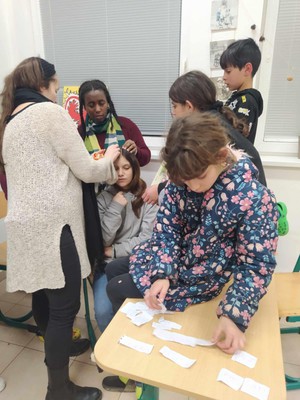
Within the Centre for University Pastoral Care at the, a The missionary team operates as part of the Centre for University Pastoral Care Martin (Cupko) at the Jessenius Faculty of Medicine in Martin. The missionary team is a group of female students who carry a missionary calling in their hearts and dedicate their free time to children in the Roma settlement of Bambusky.
Through their activities, the members of the missionary team strive to promote the ideas of equality and the belief that every child in this world is unique and important. Team members support children in developing their talents. With the help from their mentors, the children have prepared programmes for the Cupko Ball, where they have performed on two occasions.
They also collaborate with the Pontifical Mission Societies, where they organised a collection at the dormitory by selling Sladká pomoc (Sweet Help) chocolates for impoverished children around the world.
THE POWER OF SMALL GESTURES AND BIG DREAMS
"We discovered that if we invest our free time and give it to someone with love, it comes back to us a hundredfold. At the Roma settlement of Bambusky, we don't do anything complicated or difficult, we simply spend time with the children and show them that they belong to society just like everyone else. We spend that time singing, dancing, painting, playing football, and in doing so, we show them a little love. We want to show the children not to be afraid to dream big and that they matter to the world." — Members of the missionary team
WHY DOES THIS MATTER?
For a more just world, it is necessary to reduce inequalities both between and within countries. Ensuring equality of opportunity and fighting discrimination will help everyone reach their potential.
Excellence in Education at the Faculty of Arts
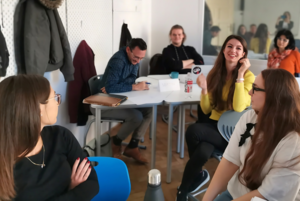
The Faculty of Arts of Comenius University Bratislava continually improves the quality of education and responds to the latest trends. Thanks to a course on innovative teaching, a new generation of educators is expanding, for whom teaching should be not only about acquiring knowledge, but also about the experience of discovery.
For the fourth consecutive year, the Department of Pedagogical Science at the Faculty of Arts offers the course How to Teach Innovatively for lecturers (including doctoral students). The course focuses on active teaching methods, including the use of games and videos, approaches centred on the thought process rather than just generating the correct answer, and online assessment formats. The course is accredited by the British Staff and Educational Development Association (SEDA), meaning its graduates receive an internationally recognised certificate.
A new perspective on teaching inspired course graduate Martina Benzoni Baláž from the Department of Political Science at the Faculty of Arts to undertake a significant transformation of the course Public Policy in Slovakia. The quality of the redesigned course, which she co-teaches with her departmental colleague Daniel Klimovský, is evidenced by winning a prestigious award and taking first place at the ENLIGHT alliance conference Teaching and Learning.
WHY DOES THIS MATTER?
Education is the foundation of development and progress. Ensuring inclusive and quality education for all helps eliminate inequalities and creates opportunities for a better future and employment.
The Faculty of Arts and its students lead the way in gender equality
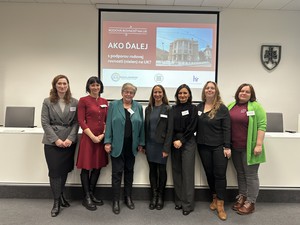
The Faculty of Arts is a leader in promoting gender equality at our university. It creates a welcoming environment, promotes inclusivity, and continuously works to improve equality of opportunity.
In 2001, the Centre for Gender Studies was established here, and it was the first institution of its kind in Slovak academia. Mariana Szapuová, Andrea Fábiková, and Janka Kottulová are members of the Commission for Gender Equality and Equal Opportunities at Commenius University Bratislava. An important milestone in this area was also the adoption of the university's Gender Equality Plan in 2022.
The topic of gender equality also resonates in the student community of the faculty. One example is the work of the student association LIGHT*, which creates a welcoming environment for queer students and staff. The association's vision is to influence and transform the university environment towards greater inclusivity and equality, and to send a positive signal to the public. It achieves this partly through the LIGHT* Queer Festival, which it organises annually. The faculty also has a student ombudsperson, Simona Kutná, who advocates for the academic and other rights of students.
WHY DOES THIS MATTER?
Gender equality is the foundation of a just society. By eliminating discrimination, we can ensure equal opportunities for all, enabling everyone to participate fully in all areas of life.
Faculty Festival as an informal education tool and a space for discussion on sustainability
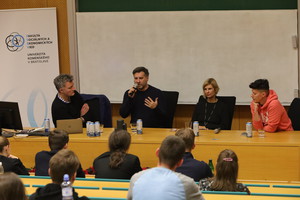
FSEV FEST is a faculty festival full of interesting discussions, prominent guests, as well as entertainment and good food. It took place on the premises of the Faculty of Social and Economic Sciences of Comenius University. The festival brings young people together, builds friendships, teaches students organisational and teamwork skills, and contributes to a good cause.
The opening of the event featured the premiere of the revived Comenius University Choral Society. The centrepiece of FSEV FEST 2023 was three panel discussions — an environment panel, a political panel, and a respect panel. The respect panel focused primarily on mental health and online hate. The environment panel gave space to graduates of the faculty who had engaged with environmental topics during their studies, and guests from the political panel received a poinsettia flower in a pot after the discussion — one that would bring them joy longer than a bunch of cut flowers. FSEV FEST 2023 also featured a charitable collection "Good Comes Back" for shelters and animal sanctuaries. The festival also included a clothing SWAP.
"Informal education and building a relationship with the academic community are an integral part of university studies. Organising a faculty festival by students gives space not only to their creativity, but also to the opportunity to express their preferences, articulate their views, and create community within their alma mater. To make full use of academic freedoms and be an equal partner to other members of the academic community in shaping the vision and strategy of the faculty, we consider this crucial and important for engaging young people in public life today." — Lucia Mokrá, Dean of the Faculty of Social and Economic Sciences
WHY DOES THIS MATTER?
Sustainable cities provide quality housing, public transport, and green spaces for all. Safe, inclusive, and resilient cities are key to improving people's lives and protecting the environment.
A garden for both the faculty community and the neighbourhood
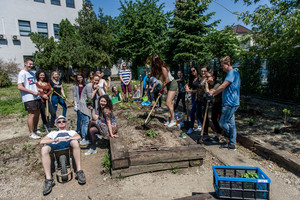
The community garden was born from the idea of creating a space to support community processes and synergies between the various activities taking place at the Faculty of Social and Economic Sciences. The project offers unique opportunities for cultural and social events, educational and research activities, as well as a space for both passive and active relaxation directly on university grounds.
Since its establishment in 2019, the community garden has been a venue for a wide range of educational activities, such as student seminars and visiting lecturer talks. Lectures on sustainability and human rights have been held here. It also serves as a leisure and recreational zone. Students have organised, for example, outdoor film screenings, lectures on the history of the city, a Book Swap, and a "Picnic under the (Psycho)stars".
Notably, the community garden not only strengthens communities within the faculty, but also provides space for events run by civic associations in the surrounding area, for example the civic association Náš Prievoz. This year, international psychology students organised a tasting of traditional dishes from their home countries, joined by students from the Faculty of Social and Economic Sciences and Erasmus+ participants. The event was called Taste Fiesta and was combined with a quiz in the community garden. This is one of the activities that students would like to turn into a tradition.
WHY DOES THIS MATTER?
Sustainable cities provide quality housing, public transport, and green spaces for all. Safe, inclusive, and resilient cities are key to improving people's lives and protecting the environment.
Movement as medicine: Children with cancer traded the hospital for an "Olympic" stadium
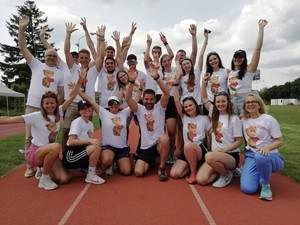
On Saturday, 11 May 2024, the Olympic flame was lit at the athletics stadium of the Faculty of Physical Education and Sports, and a flag bearing the five Olympic rings was raised for children and families battling cancer.
Faculty of Physical Education and Sports, together with the Slovak Olympic and Sports Committee and doctors from the Faculty of Medicine, mobilised young cancer fighters. The most important added value of the event was its social dimension. Families who had travelled from various parts of Slovakia met or reunited and exchanged experiences and stories.
For once, the children were not exercising in transplant isolation rooms or the common room of the National Institute of Children's Diseases, or in front of screens on MS Teams. Instead, they could experience competition in a stadium with the official symbols of olympism. A research team has also been established at the Faculty of Physical Education and Sports that works directly with children with cancer, studying for example the effects of physical exercise and nutrition on the gut microbiome and the quality of life of recovered oncology patients.
WHY DOES THIS MATTER?
The goal is to ensure accessible healthcare, disease prevention, and a safe environment for everyone. Reducing mortality and promoting a healthy lifestyle are key to a healthy and productive society.
Students helped the city of Bratislava revitalise and beautify sports facilities
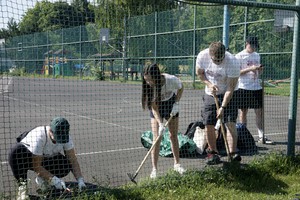
Regular physical activity helps improve physical and mental health and is also a great way to meet new people and make friends.
Students of the Faculty of Physical Education and Sports, the Bratislava University of Economics and Business, and the St. Elizabeth University of Health and Social Work, on 17 June 2024 joined forces and took part in a volunteering event Our City 2024, where they helped to revitalise, beautify, and improve the sports facilities of the Domka complex on Mamateyova Street in Petržalka. Together, they managed to organically remove weeds and other overgrowth from the sports grounds, paint sections of the perimeter fence, and revitalise and clear obstacles from the motor tracks.
Why is it important to take care of sports facilities?
A pleasant environment motivates regular exercise and improves the overall sporting experience. In addition, modernised and well-maintained sports facilities reduce the risk of injury and provide a safer place for the healthy development of children and young people. Such activities can also serve as an unconventional and enjoyable team-building exercise and an opportunity for new friendships to form.
WHY DOES THIS MATTER?
Sustainable cities provide quality housing, public transport, and green spaces for all. Safe, inclusive, and resilient cities are key to improving people's lives and protecting the environment.
We Think Circular educational programme
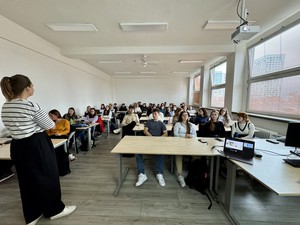
At the Faculty of Management of Comenius University, under the banner of the Institute of Circular Economy (INCIEN), a pilot edition of an educational programme called We Think Circular was developed. It aims to help third- and fifth-year students, as future job seekers, to better understand circular economy issues, environmental topics, and climate change in a broader context, and to see opportunities in areas connected with the circular economy.
The aim of the programme is for graduates to be able to apply the knowledge they have gained in practice and to contribute to the development of circularity across different professional fields. The programme consists of three theoretical modules and three practical modules. The modules are supplemented by links to future skills and the soft skills needed by future candidates for various job positions. Through this knowledge, students will be better prepared for the labour market, the future of which lies precisely in "green jobs" that will require new skills. Faculty of Management focuses on integrating sustainability issues with the aim of contributing to the innovation and content diversification of courses within existing study programmes.
INCIEN has a team of experts focused on developing tools, connecting them with practice, and formulating new policies and regulations. Our shared ambition is to create collaboration with research and state institutions, the non-profit sector, the business sector, and experts across various fields, and together to find a sustainable path, both environmentally and economically. Faculty of Management plans to continue this collaboration and aims to create opportunities for further editions of the programme.
WHY DOES THIS MATTER?
Sustainable production and consumption contribute to resource protection and waste minimisation. Responsible management of natural resources and recycling are essential for sustainable development and the protection of our planet.
Responsibility Week at the Faculty of Management
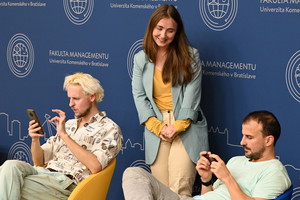
The Responsibility Week is held regularly at the Faculty of Management for third-year students, as part of the International Economic Relations course.
Responsibility Week was initiated by lecturer doc. Mihaľová with the aim of increasing student interest in current social issues and motivating them to take responsibility in various areas. The format of the event has evolved over the years and currently creates a space for events that bring interesting topics related to our responsibility (individual, social, national, and international).
During Responsibility Week, regular course sessions (lectures and seminars) are replaced by events addressing various aspects of responsibility (as students, as future managers, and as citizens). The initiators of events, and therefore of the topics offered, are the students themselves, who determine the format (lecture, discussion, workshop) and invite interesting guests.
The most recent edition (2023) featured three events organised by third-year students
Nicol Kormošová and Emma Leviusová organised a lecture on the topic of "sustainable business". They reflect: "Organising a lecture as part of Responsibility Week was an excellent experience from which we learned a great deal, especially in the area of sustainable business. It was an opportunity for us to improve our organisational skills and deepen our knowledge, something we will draw on in the future. We believe the lecture was beneficial not only for us, but also for our classmates…"
Another two student events addressed the topics of financial literacy and mental health.
In addition to student events, two lectures were held during Responsibility Week, both on the topic of "ESG" (Environmental, Social and Governance), but each from a different angle. First, graduate Miroslava Plevová (SmartHead) attempted to introduce students to "ESG and sustainability" — what it means for companies and what role managers will play. At the following lecture, two guests, Peter Škyrta (KPMG) and Petra Csefalváyová (INCIEN), jointly presented "ESG as a practical tool for managers", also providing context for why we are discussing ESG pillars so intensively today, and pointing out that information published in this area can sometimes be described as greenwashing.
Responsibility Week culminated in an event that was both educational and comedic, a theatrical performance in the Faculty of Management classroom entitled "GreenIsTheNewBlack", performed by the theatre group Čalado Medzipriestor.
More information about the last edition of the event can be found here.
WHY DOES THIS MATTER?
Education is the foundation of development and progress. Ensuring inclusive and quality education for all helps eliminate inequalities and creates opportunities for a better future and employment.
Trojsten: An association of young science enthusiasts with international reach
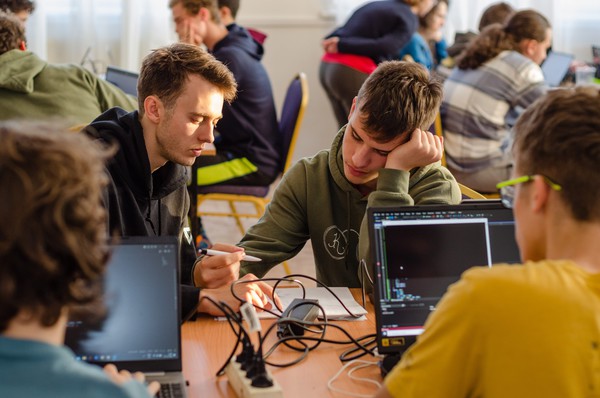
Trojsten is a civic association that organises activities in mathematics, physics, and informatics for primary and secondary school students. The history of their correspondence seminars dates back to the 1980s.
Today they have hundreds of correspondence seminar participants, who after finishing secondary school often continue in the natural sciences direction that they explored in the seminars. Many of them go on to study at the world's leading universities and achieve significant success in science and research, or work at prestigious organisations around the world.
A large international team tackles unconventional problems
Some of their activities have expanded abroad and are now participated in by thousands of students worldwide. The Náboj competitions are known in more than 15 countries and are popularising mathematics and physics across Europe. Through all their activities, they strive to build a community of young natural science enthusiasts and to pass on their knowledge, often going beyond the standard primary and secondary school curriculum. Their community consists of primary school, secondary school, and university students, as well as university lecturers, researchers, and employees of various prestigious companies.
All Trojsten activities are organised by volunteers in their free time. Active participants frequently become new organisers after starting university, thereby passing the Trojsten community on to younger generations. They also strive to organise their activities as efficiently and accessibly as possible, so that every student has the chance to take part regardless of their background.
WHY DOES THIS MATTER?
Education is the foundation of development and progress. Ensuring inclusive and quality education for all helps eliminate inequalities and creates opportunities for a better future and employment.
The community and experimental garden at the Faculty of Mathematics, Physics and Informatics
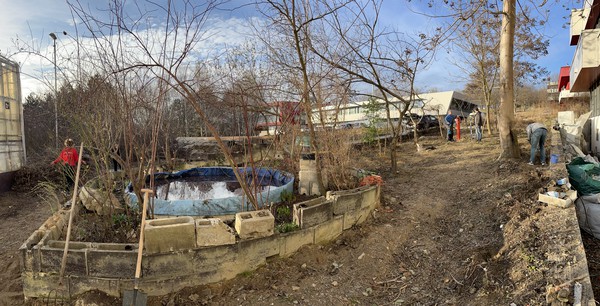
The Department of Environmental Physics at the Faculty of Mathematics, Physics and Informatics of Commenius University, with the financial support of the Alumni of Faculty of Mathematics, Physics and Informatics Civic Association, has embarked on the revitalisation of a neglected garden on the western side of the F2 pavilion at Faculty of Mathematics, Physics and Informatics. The vision is the partial revitalisation and development of a community garden that could, in addition to providing relaxation, also offer a space for pilot outdoor experiments. The garden would connect the student and academic community with experimental research focused on modern agriculture, with future potential in the fight against the climate crisis.
One area of research being carried out at the Department of Environmental Physics is the use of low-temperature plasma and plasma-activated water (PAW) in modern agriculture. To this end, experiments are conducted on plants and their seeds under laboratory conditions. PAW is water that has come into contact with plasma, thereby being enriched with active particles. Seeds treated or cultivated in PAW display higher germination rates and faster growth and development of young seedlings. Irrigating plants with PAW contributes to faster growth, higher chlorophyll and carotenoid content, and increased yield without the use of chemical fertilisers. Treatment of infected plants can lead to the inactivation of pathogenic microorganisms and the elimination of pathogens without the use of pesticides.
An experimental laboratory in the open air
The aim of the project is to create a space where experiments of this kind can be carried out. The garden will thus enable the transition of experiments from laboratory conditions to conditions closer to real-world agriculture. Building this unique relaxation-education-research space will contribute to raising general awareness among pupils, students, lecturers, and the wider public about global environmental problems and possible methods of mitigating them. Last but not least, the revitalisation of the neglected garden space contributes to the active maintenance of green areas around the faculty.
WHY DOES THIS MATTER?
Sustainable cities provide quality housing, public transport, and green spaces for all. Safe, inclusive, and resilient cities are key to improving people's lives and protecting the environment.
Faculty events and cross-university connections (Evangelical Lutheran Theological Faculty)
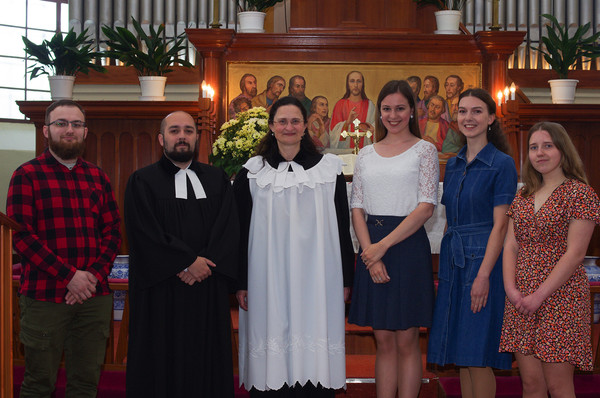
The J. M. Hurban Society is a Christian student association whose desire is to create, through events and various activities, a space for personal development and to build a strong community.
Its activities include primarily organising faculty-wide events and publishing the magazine Evanjelický teológ (Evangelical Theologian), which is sent to congregations across Slovakia. The society has more than 20 members. Members can make use of the society's premises, organise various events, and actively take part in their preparation. Current activities of the society include, for example: an annual Christmas cabbage soup, an autumn and spring barbecue, Lutherfest, the faculty's May Day celebration (Majáles), film evenings, and chess and table tennis tournaments. The J. M. Hurban Society was founded in 1919.
"At these events, we want to build relationships with people studying at other faculties. We visited a congregation in Modra-Kráľová, where we organised a children's Sunday school and a youth meeting in collaboration with the congregation's leadership. In future, we would like to continue in other congregations around Slovakia." — Tatiana Semančíková, Vice-Chair of the Society
WHY DOES THIS MATTER?
Global cooperation is essential to achieving the Sustainable Development Goals. Joining forces between countries, organisations and societies supports sustainable development and the resolution of global challenges.
Coffee as a community-maker at the Evangelical Lutheran Theological Faculty
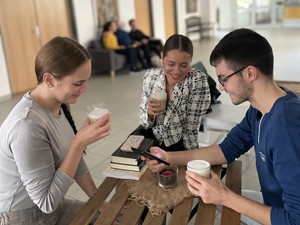
Within the Evangelical Lutheran Theological Faculty a student café and reading room called Gottšalk is in operation. It runs on voluntary contributions and financial donations from various events.
Gottšalk serves the wider academic community, as well as visitors during conferences, symposia, and various other events at the faculty. The café is run by a team of people.
The name of the café was inspired by a historical novel by Jozef Miloslav Hurban; Gottšalk translates as "Divine Cup". It was founded in 2022, established by the J. M. Hurban Society with a grant from CU.
"It was a very good decision. It helped us get to know each other enormously. Because after two years online, I as a fifth-year student simply didn't know the second- or third-year students at all. Teachers stop by often too, and it really strengthens the sense of community." — Ondrej Baranec, Society member
WHY DOES THIS MATTER?
Sustainable cities provide quality housing, public transport, and green spaces for all. Safe, inclusive, and resilient cities are key to improving people's lives and protecting the environment.
Interdisciplinary competition for pharmacy and medicine students: Clinical Skills Event
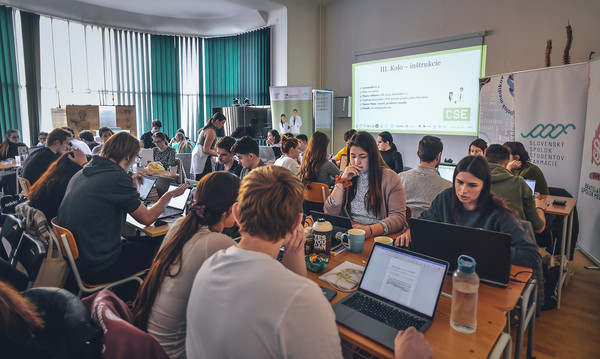
The Clinical Skills Event (CSE) is a national competition for pharmacy and medicine students from Bratislava, Martin, and Košice, created in the spirit of interdisciplinary education and cooperation between pharmacists and doctors. The competition is focused on promoting the development of students' knowledge and clinical skills, and has been running for three years. It draws on an original competition organised for pharmacy students by the International Pharmaceutical Students' Federation (IPSF).
Education and Competition
The CSE is divided into an educational part and a competitive part. The educational part includes expert lectures, while the competitive part is divided into three rounds focused primarily on solving case studies, in which students apply their knowledge from clinically oriented disciplines.
Developing Skills and Collaboration
The aim of the project is to promote interdisciplinary cooperation among students, as well as to expand their skills in complex diagnostics and pharmacotherapy assessment. Students have the opportunity to apply their knowledge to real cases, with competitors working in mixed teams of four.
The Future and Sustainability
The project contributes to student development, while collaboration enhances the sustainability of healthcare by promoting:
- more comprehensive patient care and the minimisation of errors
- optimisation of resource use
- workforce sustainability and satisfaction through the development of future professional relationships
- innovation and tackling complex challenges as prerequisites for more successful and higher-quality treatment
This year, the competition was held on 15 March 2024 simultaneously at the Faculty of Pharmacy of Commenius University in Bratislava and at the University of Veterinary Medicine and Pharmacy in Košice. For the first time, it could also boast international participation — a team from the Faculty of Pharmacy of the University of Ljubljana. A total of 91 students took part in the competition.
What Do Students Think of the Competition?
"Taking part in CSE was a very interesting opportunity. The chance to experience how to solve case studies in practice, how to cooperate and communicate with doctors, was very enriching for us. We discovered that teamwork is truly key in clinical pharmacy. We also improved our critical thinking skills and learned how to correctly evaluate priorities in therapy, pharmacotherapeutic problems, and how to use information sources, databases, and guidelines." — Zuzana Valachová, 4th year, Faculty of Pharmacy, member of the winning team at CSE 2024
WEB: https://sssf.sk/cse
Facebook: https://www.facebook.com/groups/427032645824940
Instagram: @cseslovakia, https://www.instagram.com/cseslovakia/?
2024 competition: https://www.fpharm.uniba.sk/detail-aktuality/back_to_page/farmaceuticka-fakulta-univerzity-komenskeho-v-bratislave/article/clinical-skills-event-2024/
Results of the 2024 competition: https://www.fpharm.uniba.sk/detail-aktuality/back_to_page/farmaceuticka-fakulta-univerzity-komenskeho-v-bratislave/article/vitazi-clinical-skills-event-2024/
WHY DOES THIS MATTER?
Education is the foundation of development and progress. Ensuring inclusive and quality education for all helps eliminate inequalities and creates opportunities for a better future and employment.
Pharmacists at Commenius University learn about the medicinal plants in their own garden
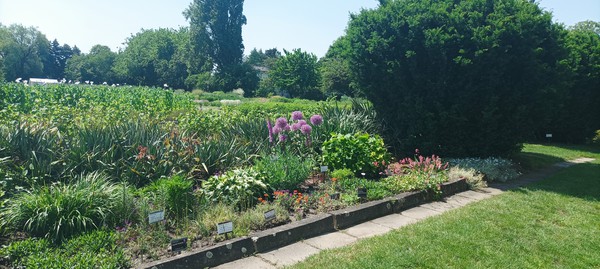
The Medicinal Plant Garden is one of the dedicated facilities of the Faculty of Pharmacy, where medicinal plants are cultivated for teaching and scientific research purposes. The garden is located in the Prievoz district of Bratislava and covers an area of 1.5 hectares.
The Medicinal Plant Garden (MPG) holds 723 plant species in its gene bank, documented in the publication Index Seminum. This catalogue lists the seeds of plants grown in the MPG and serves as a tool for seed exchange with botanical gardens, arboreta, and other scientific institutions in Europe and around the world. The MPG is also registered in the international database called Botanic Gardens Conservation International.
The pedagogical role of the MPG
In addition to participating in scientific research projects, the MPG plays a significant role in the teaching process. Part of the instruction in the courses Pharmaceutical Botany, Pharmacognosy, Medicinal Plants, and New Trends in Natural Medicines takes place directly in the MPG, where students can get to know medicinal plants (primarily species listed in the pharmacopoeia) in natura. The Medicinal Plant Garden is also available to students outside mandatory instruction and can be visited individually during working hours.
MPG Participation in the Artistic Symposium "Listening to Plants"
Last year, the department also participated in the artistic symposium Listening to Plants, organised by Kunsthalle Bratislava. As part of this symposium, the performance "Becoming a Garden / Plant / Transplant" was held in the park near the Faculty of Pharmacy, where artists Jana Zatvarnická and Zuzana Žabková portrayed a ritual of vegetative dissection and the symbolic transformation of a person into a plant. Information about this unique union of art and pharmacy was published in the journal Lekárnik, issue 12/2023.
The publication Index Seminum is available at: https://www.fpharm.uniba.sk/fileadmin/faf/Pracoviska-subory/ZLR/INDEX_SEMINUM_2022_23.pdf
International Database Botanic Gardens Conservation International: https://gardensearch.bgci.org/garden/6534
WHY DOES THIS MATTER?
Protection of forests, soil, and biodiversity is important for the environment and the survival of many species. Combating deforestation and protecting natural habitats reduce biodiversity loss and ensure a sustainable ecosystem.